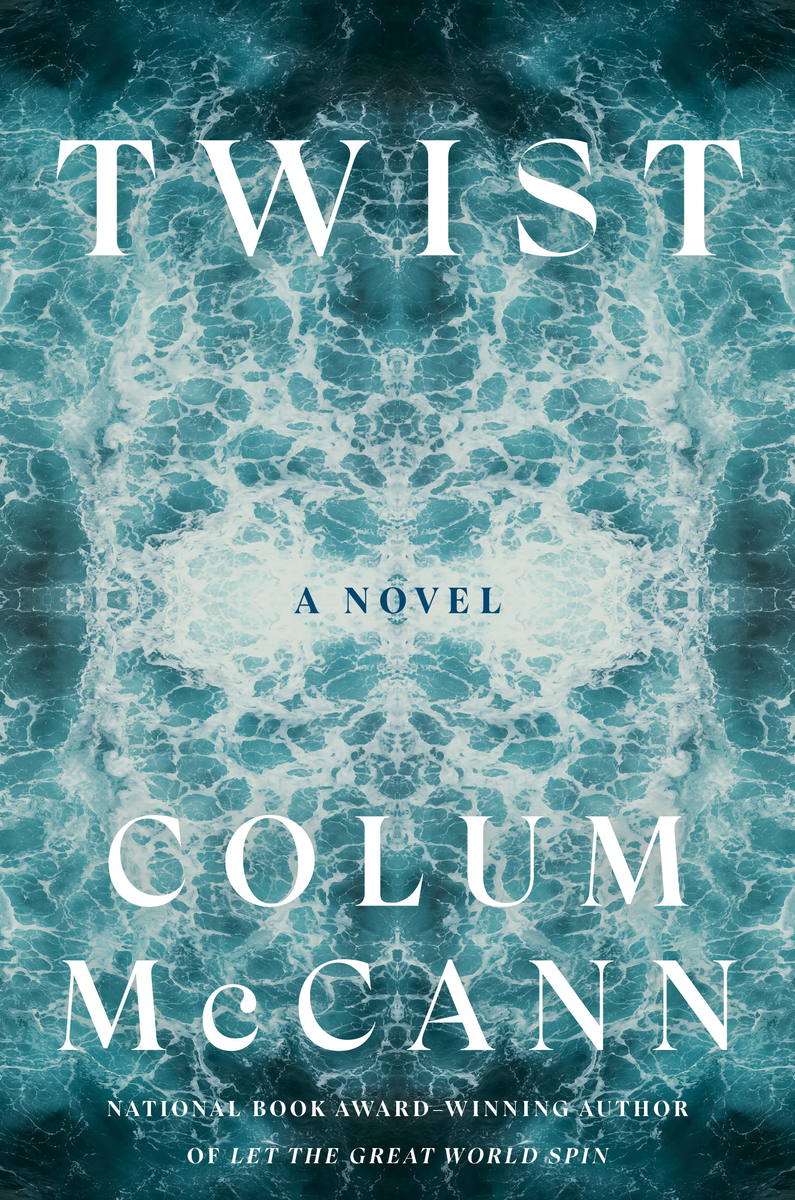
From the opening lines of Colum McCann’s “Twist,” you know you’re in a master’s hands. On a line-by-line level, McCann is probably one of the top four or five writers working in English today, with a prose style that manages to be both unembellished and poetic; his sentences sing even when they’re just delivering nuts and bolts information. And when you pull back for a longer view, his books are architectural marvels, carefully crafted so structure and theme support one another.
There are many “twists” in “Twist”: the twisted strands of the undersea cables that John Conway, the subject of Irish journalist Anthony Fennell, tracks down and repairs; the twists of identity, for no one here — not Conway, not his wife Zanele, and not Fennell himself — is quite what they present to the world; twists of plot, featuring disappearances, sabotage, and betrayal; and twists of the knife when you realize you can’t trust what you thought was solid.
“Twist” is also, as is true generally of McCann’s work, full of interesting settings and characters. I learned things I certainly never knew before about trans-oceanic fiber optics cables and their repair, the community of free divers, and avant-garde theater. In a “New Yorker” or “Atlantic” essay, these topics would probably feel a bit dry and esoteric; in “Twist,” they come alive as the fields on which the characters’ battles for identity are waged.