2026 has not been a good year for my reading. I typically read about a book a week, give or take, with a couple on the go at a time. But since the invasion of my home city by a federally-funded paramilitary gang engaging in a campaign of ethnic cleansing, it’s been hard to get into the right headspace …
And yet we persist! I’ve finished my first audio book listen of the year (audio books count as reading), and it was a wild ride.
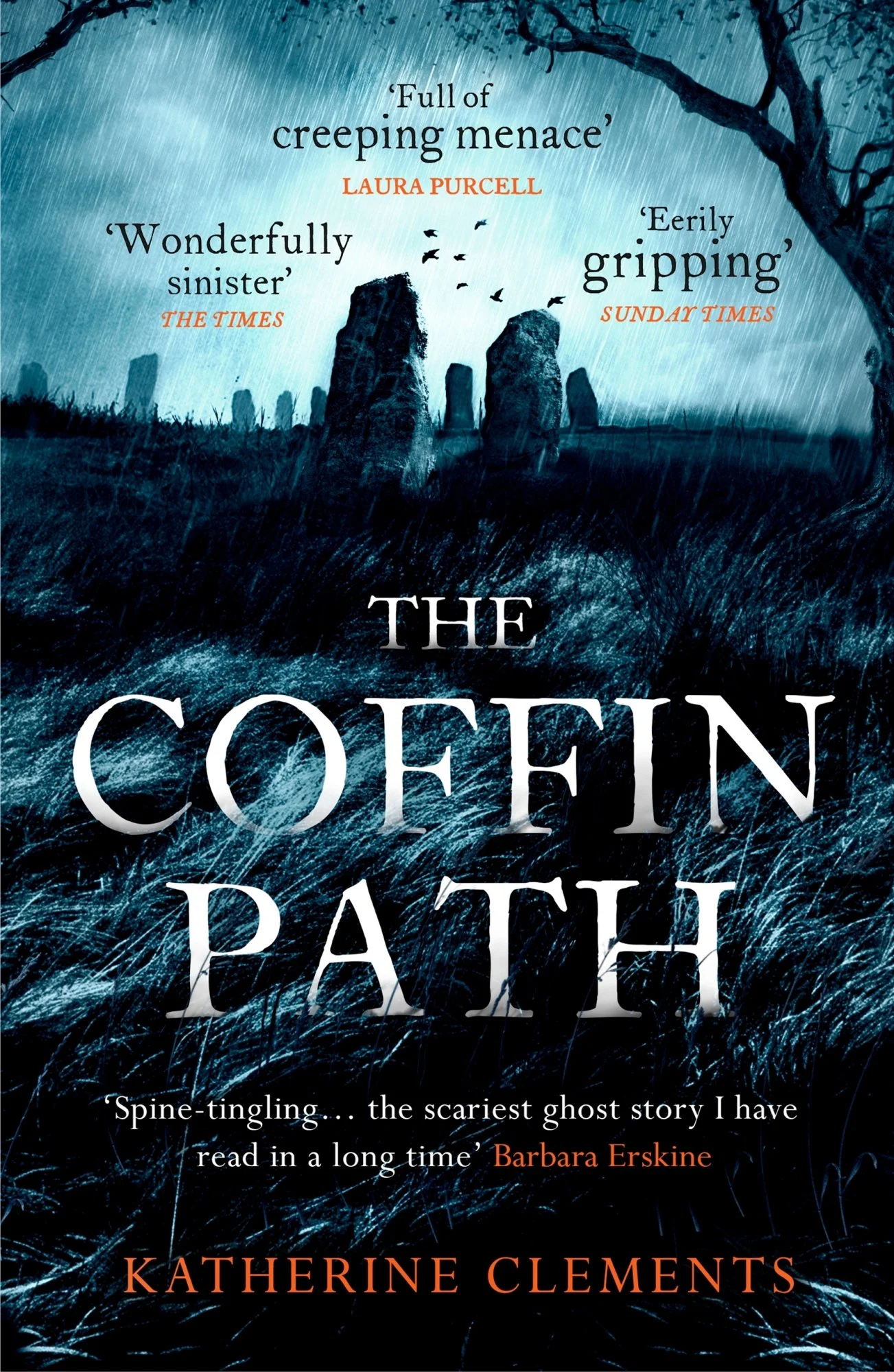
“The Coffin Path” by Katherine Clements is a Gothic ghost story set on the Yorkshire moors shortly after the end of the English Civil War. The wounds of that war, and especially the atrocity at Bolton, run through the story, with the threat of violence both human and supernatural always lurking just below the surface.
Mercy Booth is the mistress of Scarcross Hall, a dilapidated manor house on the moors where her father Betram and their elderly maid Agnes settled after the war. The Booths make their living by raising sheep for wool and meat, and Mercy has grown up on the moors tending the sheep, more at home in the craggy wilderness than among people.
The hall is the site of tragedy both ancient and recent, and is the subject of whispered rumors in the nearby village. A mysterious itinerant shepherd, Ellis Ferreby, arrives looking for work, and though Mercy distrusts him at first (she distrusts everyone), he quickly proves himself a skilled worker.
Mysterious occurrences begin to pile up — objects gone missing from Bertram’s study, lambs gruesomely killed on the moors, strange sounds in the hall — and soon there are whispers of “witchcraft” among the villagers, directed largely at Mercy. When a tragedy strikes the sheep farming operation, the residents of Scarcross Hall find themselves utterly isolated and besieged.
“The Coffin Path” clearly owes a lot to “Wuthering Heights” — the windswept moors, the mysterious stranger, the whispers and rumors of deviltry — and plays with some similar themes. It is a bit more overtly supernatural than the Brontë classic, though the supernatural threat is slippery and ambiguous: an ancient pagan curse? A dead child returning to take revenge on the living? A revenant of the war? In the end, there are many loose threads left unbound, and that’s one of the delightfully unsettling aspects of this Gothic tale.